
OpenArt AI for Marketers in 2026: Bulk Create, UGC & Video Ads

Running paid ads in 2026 means you need fresh creatives every single week. Static images get stale. Video ads burn out fast. And hiring actors for UGC content eats into your budget. That is exactly why more paid media teams are now turning to OpenArt AI for marketers who need a faster, cheaper way to produce campaign assets at scale.
It puts AI-powered ad creative generation, video production, and full campaign asset building into one platform. No juggling five different tools. No re-uploading files between tabs. Just one workspace where marketers can go from idea to finished ad in minutes.
If you have been searching for an AI content creation platform that handles images, videos, and brand consistency all at once, OpenArt deserves your attention right now.
What Is OpenArt AI and Why Should Marketers Care?
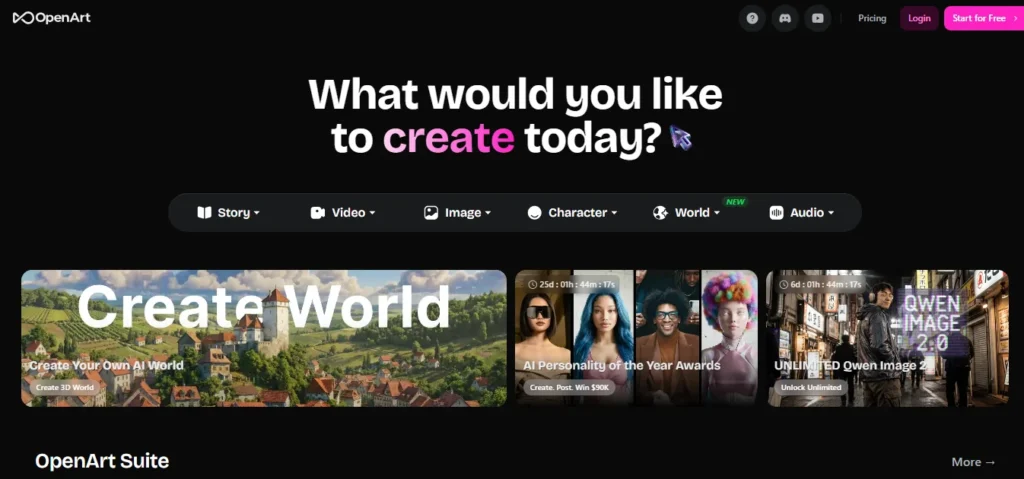
OpenArt AI is an AI creator studio for video and images that gives you access to over 100 premium AI models in a single dashboard. Unlike tools that lock you into one model, OpenArt lets you switch between Flux, Nano Banana Pro, Seedream 4.5, and many others with just one click.
In March 2026, OpenArt launched OpenArt Suite, a unified workspace that brings image, video, character, and audio generation into one panel. Every asset you create is stored in a shared library. It flows directly into the next step of your workflow without downloading or re-uploading anything.
For marketers, that means you can generate a product image, turn it into a short video ad, add voiceover, and export it as a finished campaign asset — all without leaving the platform. That kind of speed matters when you are testing 10+ ad variations per week.
🚀 Get 15% Off OpenArt — Your All-in-One AI Ad Studio
Use Code: ALL15 From product visuals to full video ads with voiceover, create everything in one place. Perfect for marketers testing and scaling campaigns fast.
Use Code 🎁
ALL15
OpenArt AI for Marketers: Key Features That Make it Essential 2026
Here is what makes OpenArt stand out for paid advertising campaigns and brand content production.
Character 2.0 for Brand Consistency
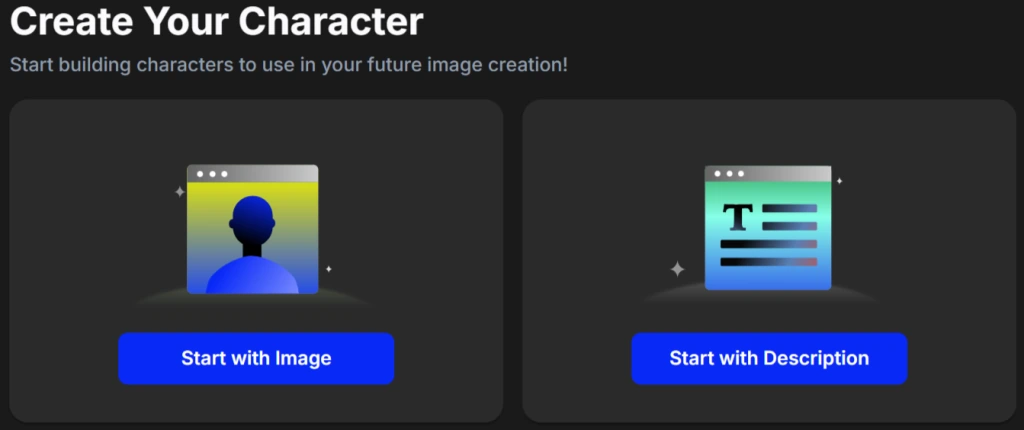
One of the biggest challenges in AI image generation for ads is keeping a consistent look across creatives. Character 2.0 solves that. Upload a single reference image of your brand persona, mascot, or spokesperson. OpenArt locks that character across every ad set you generate.
No more mismatched faces or shifting brand elements between creatives. It is reported to be 10x more consistent than its predecessor. For marketers running multi-platform campaigns, brand consistency across creatives is non-negotiable.
Kling 3.0 Video Generation for Motion Ads
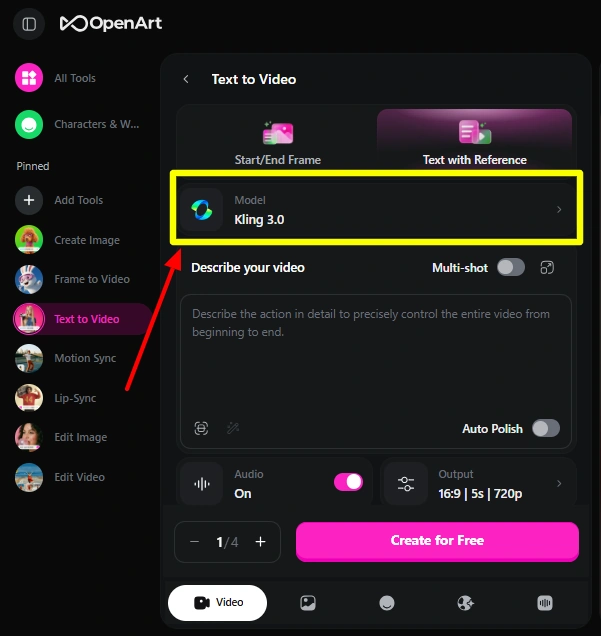
Video ads dominate social feeds. OpenArt now integrates Kling 3.0, a powerful AI video generation model that supports text-to-video and image-to-video creation. You can produce motion ads, Reels-style content, and short product demos directly inside OpenArt.
Kling 3.0 also offers:
For marketers who need UGC-style video ads without hiring creators, Kling 3.0 is a solid option.
Smart Flow Editor for Repeatable Workflows
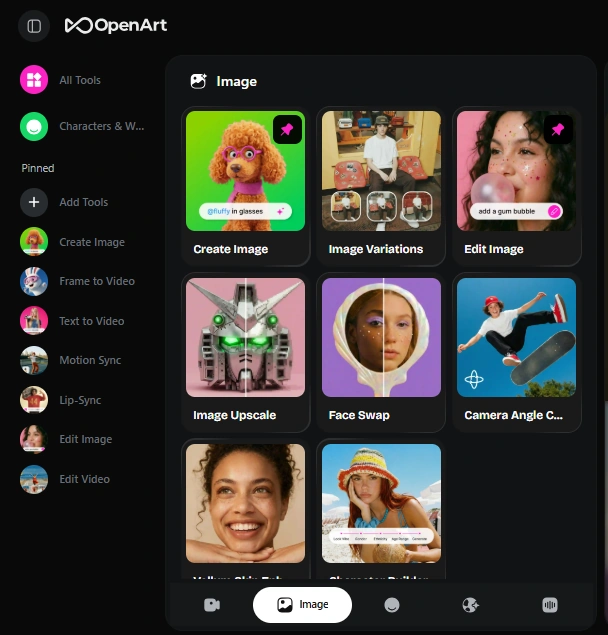
Smart Flow is a node-based workflow builder. You can chain together generation, upscaling, editing, and formatting into one reusable pipeline. Save it. Share it with your team. Run it again next week with new copy.
For agencies managing multiple clients, Smart Flow cuts production time significantly. It turns a manual creative process into an automated ad production workflow that scales.
Inpainting and Find & Replace for Quick Edits
Raw AI outputs rarely go straight into ads. OpenArt's inpainting tool lets you highlight any region and prompt the AI to replace it. Swap product colours, adjust backgrounds, or remove unwanted elements without regenerating everything.
Find & Replace works even faster. Type what you want removed and what should replace it. Need to swap a summer background for a winter one across 20 creatives? Done in seconds. These tools save hours of post-production editing time for marketing teams.
OpenArt Worlds for 3D Campaign Environments
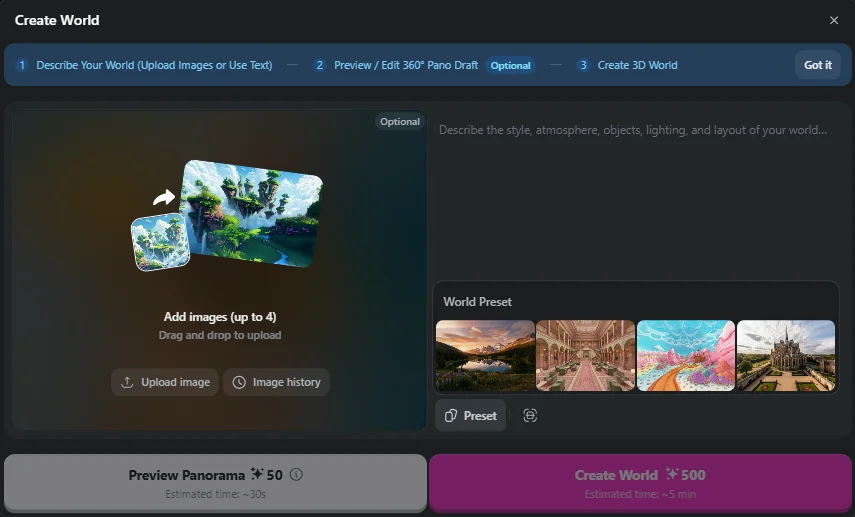
OpenArt Worlds is a persistent 3D environment builder powered by World Labs spatial AI. Upload an image or enter a prompt. OpenArt generates a fully navigable 3D world.
Why does that matter for marketers? You build a branded environment once and reuse it for multiple campaign shoots. Adjust camera angles, add characters, and capture different shots from one consistent world.
How to Create AI-Generated Ad Creatives With OpenArt
Creating ad visuals on OpenArt takes minutes, not days. Here is a quick workflow that works for paid social, display ads, and ecommerce campaigns.
The real power here is iteration speed. You can test 20 different ad concepts in an afternoon. Run them through Meta Ads or Google Display, see what clicks, and double down on winners. That kind of rapid creative testing was impossible without a full design team just two years ago.
Creating UGC-Style Videos Without Actors or Studios
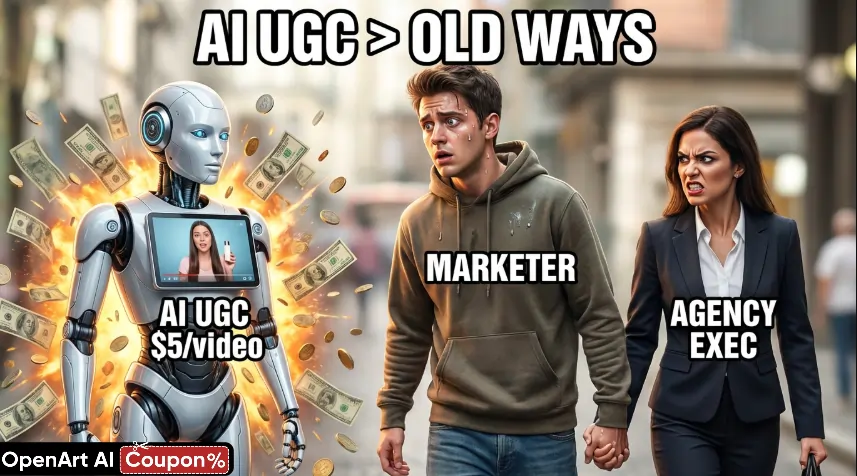
AI-generated UGC content is one of the biggest marketing trends in 2026. Brands are creating realistic talking-head videos of virtual creators who look like everyday people — not models. OpenArt makes that process surprisingly simple and affordable.
Here is how marketers are doing it:
Companies are already saving hundreds of dollars per ad with this workflow. Traditional UGC platforms charge $150 to $300 per video. With OpenArt, the cost drops to a few dollars in credits. For performance marketers running dozens of UGC ad variations weekly, that cost difference adds up fast.
Building Consistent Brand Characters With LoRA Training
One challenge with AI image generation for marketing is consistency. You need the same character appearing across multiple ads, social posts, and landing pages. OpenArt solves that problem with custom LoRA (Low-Rank Adaptation) training.
Upload 15 to 30 images of your AI character or brand mascot. OpenArt trains a model that captures that specific face, body type, and visual style. Training takes about 15 to 60 minutes depending on complexity. Each trained model costs roughly $4 in credits on paid plans. The result? A reusable model that maintains 90 to 95% identity consistency across every new image you generate.
For marketers managing multi-channel brand campaigns, consistent visuals across platforms build trust and recognition. Your Instagram ads, email headers, website banners, and TikTok thumbnails can all feature the same recognisable character without ever booking a photo shoot.
| Use Case | What LoRA Training Delivers |
|---|---|
| Paid social ads | Same spokesperson across every ad variant |
| Email marketing | Consistent character in newsletter visuals |
| Landing pages | Matching hero images across A/B test variants |
| Social media content | Recognisable brand mascot in every post |
| Product packaging | Unified visual identity across all SKUs |
🎭 Get 15% Off OpenArt — Build Your Brand Character Once, Use Everywhere
From social ads to landing pages, keep your visuals aligned and professional—plus enjoy 15% OFF with code ALL15 to get started faster.
Use Code 🎁
ALL15
AI QR Codes and Logo Transformations for Campaigns
Marketing teams are seeing strong engagement with AI-generated QR codes. OpenArt can turn a standard QR code into a piece of visual art — a mountain scene, an ocean wave, or a branded illustration that still functions as a scannable link.
Why does that matter? Because people are far more likely to scan a QR code that looks like art rather than a black-and-white grid. It works brilliantly on posters, packaging, event signage, and social media graphics. Early adopters report higher scan rates simply because the codes attract attention rather than blending into the background.
OpenArt also offers a logo transformer tool. Upload a flat 2D logo, and the AI converts it into a 3D glass, chrome, or metallic version. It is a quick way to refresh brand visuals for seasonal campaigns or product launches without involving a design agency.
How OpenArt Compares to Other AI Ad Tools 📊
Marketers often compare OpenArt to dedicated AI ad creative platforms. Here is how it stacks up against popular alternatives in 2026:
| ture | OpenArt AI | Midjourney | Canva AI | AdCreative.ai |
|---|---|---|---|---|
| Multi-model access | ✅ 100+ models | ❌ Single model | ❌ Limited | ❌ Proprietary |
| UGC video creation | ✅ Built-in | ❌ No video | ❌ Basic video | ❌ Static only |
| Custom model training | ✅ LoRA training | ❌ Not available | ❌ Not available | ❌ Not available |
| AI QR code generation | ✅ Yes | ❌ No | ❌ No | ❌ No |
| Browser-based | ✅ Yes | ❌ Discord-based | ✅ Yes | ✅ Yes |
| Starting price | $14/mo | $10/mo | $13/mo | $21/mo |
OpenArt wins on versatility. While Midjourney may produce more stylistically polished static images, it lacks video generation and custom AI model training. Canva AI is great for templates but limited in creative depth. AdCreative.ai focuses purely on ad copy and static banners without supporting video or model customisation.
Why OpenArt AI Deserves a Spot in Your Creative Workflow
OpenArt AI is not a toy for making pretty pictures. It is a production tool built for marketers who need volume, speed, and brand consistency.

With Character 2.0 keeping your visuals on-brand, Kling 3.0 powering AI-generated video ads, Smart Flow automating your workflows, and Worlds giving you reusable 3D environments, OpenArt covers most of what a creative team handles daily.
If ad creative fatigue is draining your campaign budgets, OpenArt is worth testing. Start with the free plan. Run a small batch. Compare results against your current creative process. The ROI usually speaks for itself.


